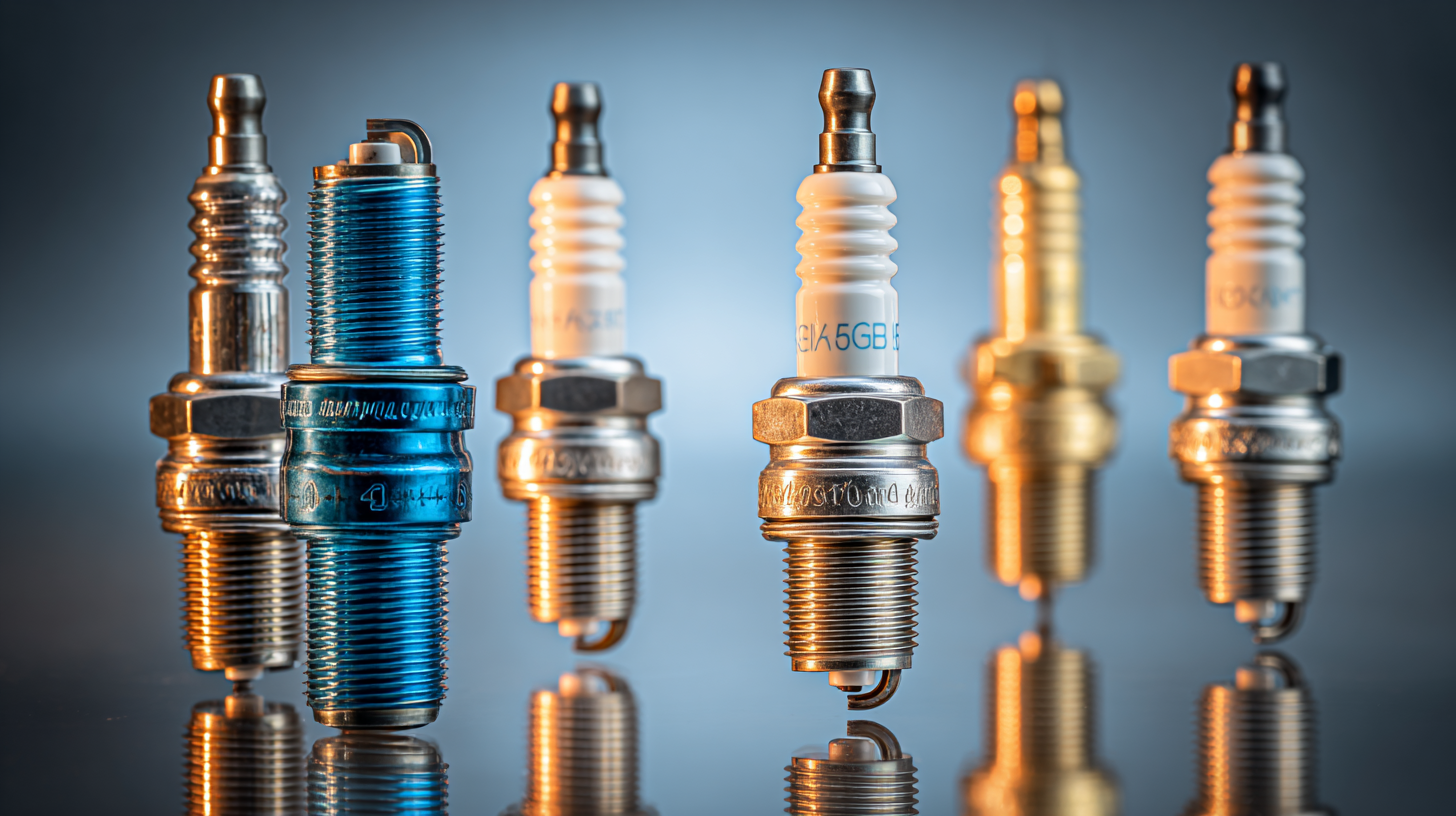
The global ignition systems market is growing fast, driven by a rising demand for efficient energy solutions across industries. Think of spark plugs as a key component here—they’re central to how well stationary gas engines perform. Industry reports project the spark plug market to reach about $23 billion by 2027, with pricing affected by raw material costs and advances in technology.
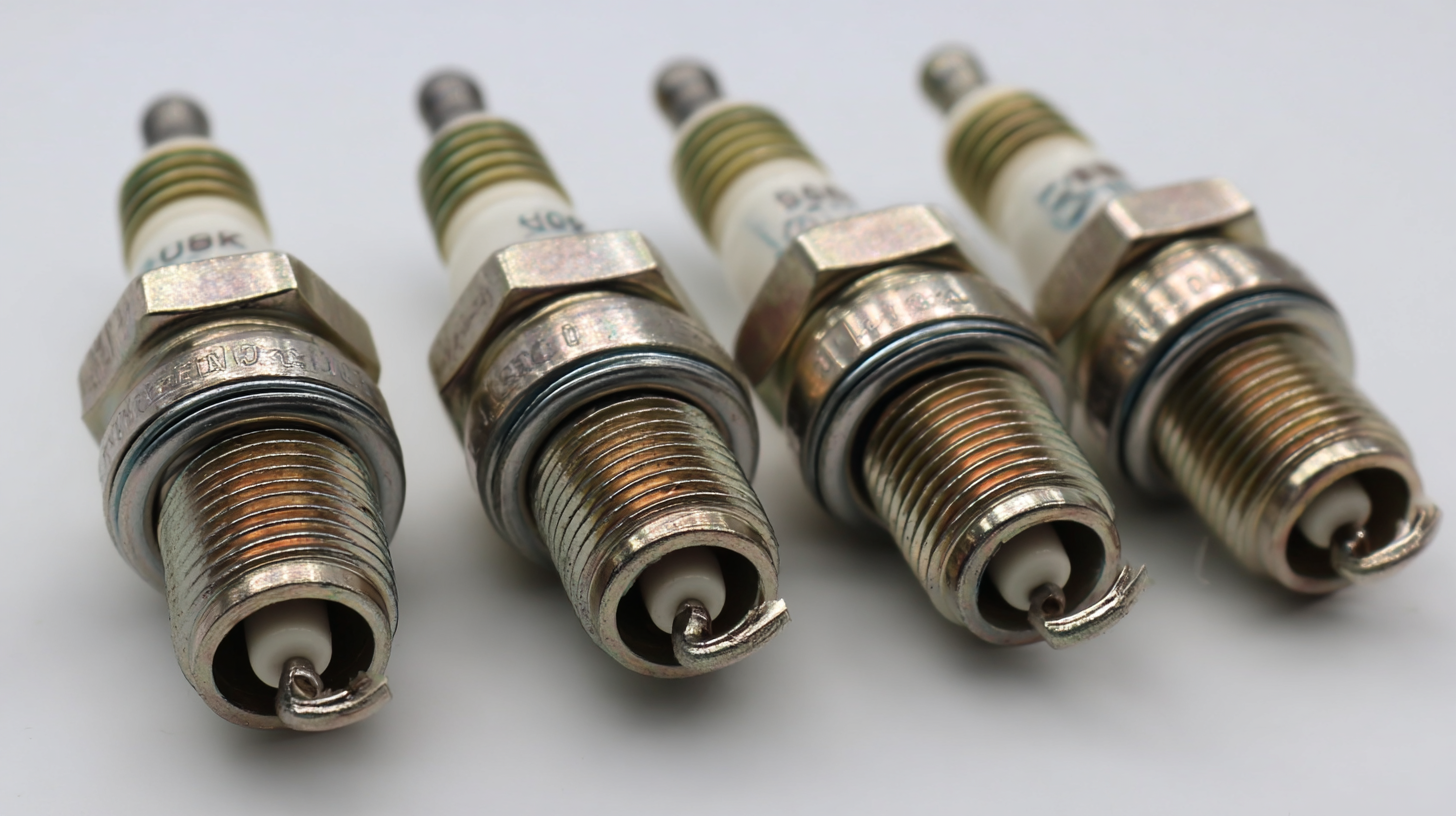
In this landscape, TECHIE Inc. stands out as a premier manufacturer specializing in ignition systems for stationary gas engines, offering coverage of more than 95% for leading brands like GE Jenbacher, MWM, and CAT. With a solid commitment to quality and innovation, TECHIE not only offers competitive spark plug pricing but also provides a one-stop service for gas engine spare parts, ensuring customers get solutions tailored to their needs. All in all, it’s a pretty compelling option for those stocking up on ignition components.
World Class Manufacturing (WCM) in China has become a pretty telling snapshot of the country’s rise as a global manufacturing powerhouse. Today, its production chops are so substantial they outpace the combined output of the next nine largest manufacturing economies. In short, China is basically a manufacturing superpower. Recent figures put its share of global manufacturing at about 28%, underscoring the country’s heavy investment in advanced industries and nonstop innovation. This shift isn’t accidental—it’s driven by big bets on R&D, both in homegrown companies and top universities, pushing China into a new phase of growth defined by stronger innovation capabilities.
At the same time, China is embracing sustainability in manufacturing. Digital technologies are weaving more deeply into the fabric of production, and the trend toward digital-green fusion (DGF) in regional advanced manufacturing is all about greener, more efficient practices. The Belt and Road Initiative illustrates China’s green-innovation push—aimed not only at building sustainable infrastructure but also aligning with the UN’s 2030 Sustainable Development Goals. As the country keeps evolving, its manufacturing landscape is reshaping global supply chains, especially across the Asia-Pacific, even as trade tensions linger and the aftershocks of the COVID-19 pandemic ripple through.
| Category | Average Price (USD) | Production Volume (Units/Year) | Export Volume (Units/Year) | Market Share (%) |
|---|---|---|---|---|
| Standard Spark Plugs | $1.25 | 3,000,000 | 1,200,000 | 40 |
| Iridium Spark Plugs | $3.50 | 1,500,000 | 600,000 | 20 |
| Platinum Spark Plugs | $4.00 | 1,200,000 | 450,000 | 15 |
| High Performance Spark Plugs | $5.50 | 800,000 | 300,000 | 10 |
| Eco-Friendly Spark Plugs | $2.75 | 900,000 | 350,000 | 5 |
Chinese spark plug makers are getting a lot of attention around the world for solid standards and competitive pricing. The rise of world-class manufacturing, especially in automotive components, has really changed the game. By tapping into cutting-edge tech and efficient production methods, Chinese producers deliver spark plugs that are known for reliability and performance, at prices that attract buyers from all over. That balance of high quality and affordability is boosting their reputation on the global stage.
There are a few key drivers here: a strong focus on innovation and R&D; heavy investments in state-of-the-art machinery and skilled labor, so they can meet the tough demands of the auto industry. On top of that, a well-built local supply chain for raw materials and parts speeds up production and cuts costs. And by taking feedback from markets around the world, these manufacturers keep improving, adapting quickly to changing customer preferences and staying ahead in spark plug technology.
China's spark plug industry is undergoing a real transformation, with pricing strategies aimed at global markets. The global spark plug market is projected to grow from about USD 12.72 billion in 2024 to around USD 19.97 billion by 2032, and Chinese manufacturers are positioning themselves as leaders in the field. A combination of efficient production and cost-effective pricing keeps these plugs attractive on the international stage. Beyond spark plugs, China's broader manufacturing strength, especially in the electric vehicle space, highlights the country's adaptability and commitment to innovation. Sure, there are bumps along the road, like price wars among domestic players, but those competitive pressures can translate into cost advantages for exporters. As demand for EVs continues to surge, particularly in Europe and North America, the implications for related automotive components like spark plugs cannot be overstated. With a steady eye on global trends, Chinese makers are well positioned to build on their strengths and broaden their market share and reputation worldwide.
In today’s fast-changing world of global manufacturing, innovation isn’t just nice-to-have—it’s the anchor for real quality assurance, especially when we’re talking about making best‑in‑class spark plugs. Recent industry chatter puts the global spark plug market around $5 billion by 2027, fueled by rising car production and real advances in engine tech. As manufacturers fine-tune their processes and push for next‑generation plugs, the emphasis on quality becomes non‑negotiable. Smarter designs don’t just boost engine efficiency; they also cut emissions and help meet tougher environmental rules around the world.
Meanwhile, the auto industry is increasingly leaning into electrification and advanced driver-assistance systems (ADAS). That shift is driving constant innovation and, in turn, a growing demand for high‑performance components. For example, a recent study suggests electrified vehicles could make up more than 30% of total vehicle sales by 2030, which opens up a golden opportunity for spark plug makers to broaden their product lines. As firms ramp up R&D to ride these trends, their commitment to quality assurance grows stronger—making sure every spark plug rolling off the line meets the exacting standards modern engines and consumers expect.
The automotive world is always changing, and Chinese spark plugs have become a key piece in how standards and performance are shaped worldwide. People recognize them for solid manufacturing and innovative designs — these plugs aren’t just cheap alternatives; they’re engineered to meet the tough demands of modern vehicles. As carmakers around the globe push for more efficiency and reliability, Chinese brands are leveraging advanced technology to deliver products that feel like real quality and durability.
Tip: When you’re choosing spark plugs, take a look at your engine specifications to ensure compatibility and get the most out of them.
And yes, proper installation really matters for how long the plugs last, so it’s a good idea to use certified professionals or simply follow the manufacturer’s guidelines.
Chinese spark plugs influence stretches beyond borders, feeding a dynamic global market. By keeping prices competitive, these producers create chances for savings while still upholding high standards. The way Chinese plugs are finding their way into a wide range of vehicle models helps strengthen supply chains and makes them more accessible to people around the world.
Tip: Look for plugs made with advanced materials like iridium or platinum, since they can improve performance and durability compared with conventional options. This strategic approach benefits manufacturers and buyers alike and highlights the growing role of Chinese manufacturing on the world stage.
The spark plug market is more competitive than ever, and Chinese manufacturers are finding ways to reach customers around the world. By leaning into quality, innovation, and cost-efficiency, these makers are appealing to a diverse set of international buyers.
Building a solid online presence with targeted digital marketing can boost brand visibility and attract buyers from all corners of the globe. And getting involved in international trade shows and auto expos gives them a chance to demonstrate their advanced manufacturing capabilities and strike direct connections with global distributors.
Plus, getting a handle on efficient supply-chain practices is crucial if they want to export on a global scale. Streamlined logistics and on-time deliveries can raise customer satisfaction and lay the groundwork for long-term partnerships. Collaborating with international automotive brands can also open doors to bigger markets, broadening their footprint.
By focusing on these export strategies, Chinese spark plug manufacturers can boost their competitiveness and help build a narrative that Chinese-made products are reliable and high-quality on the world stage.
: WCM stands for World Class Manufacturing. It has evolved in China, reflecting the country’s rise as a global manufacturing leader, now exceeding the combined output of the next nine largest manufacturing nations.
China accounts for approximately 28% of the global manufacturing output.
Significant investments in research and development within domestic companies and leading academic institutions are driving China's transition towards advanced industries and innovation.
China is integrating sustainability through the digital-green fusion (DGF) approach, focusing on environmentally friendly practices and aligning with global sustainability trends.
The Belt and Road Initiative aims to build sustainable infrastructure and supports China's commitment to green innovation and the United Nations' 2030 Sustainable Development Goals.
The global spark plug market is projected to reach approximately $5 billion by 2027.
Advancements in engine technologies require manufacturers to continuously refine their processes and develop next-generation spark plugs to improve engine efficiency and reduce emissions.
The automotive industry is shifting towards electrification and advanced driver-assistance systems (ADAS), which boosts the demand for high-performance components, including spark plugs.
By 2030, electrified vehicles could account for over 30% of total vehicle sales, presenting a significant opportunity for spark plug manufacturers to expand their product lines.
Manufacturers ensure quality assurance by investing in R&D and refining processes to meet the rigorous standards demanded by modern engines and consumer expectations.