When you're looking to boost your engine's performance, choosing the right Aftermarket Spark Plugs can really make a difference. Honestly, a lot of car enthusiasts tend to overlook this small but mighty component, thinking it's not that important. But trust me, picking the right spark plugs that fit your vehicle is key to keeping everything running smoothly and reliably. You'll find that aftermarket spark plugs come in all sorts of designs, materials, and specs — each one can have a different impact on how your car runs.
Figuring out what your engine really needs is a good starting point. If you’ve got a more high-performance engine, you might want to go for specialized aftermarket spark plugs to get the best results. Sure, it’s tempting to just go for the priciest options, but that’s not always necessary. What really matters is making sure the spark plugs are compatible with your car. The right choice can actually help your fuel economy and give you a bit more power when you’re driving.
A lot of drivers have some regret after choosing the wrong spark plugs — it’s a common mistake. So, think about how you usually drive and the conditions you face. If you tend to drive aggressively or if you’re often on the road in tough conditions, certain spark plugs can really make a difference. Taking these factors into consideration will help you make a smarter decision. Do a bit of homework beforehand — it’ll save you headaches down the line and help you get the most out of your engine.
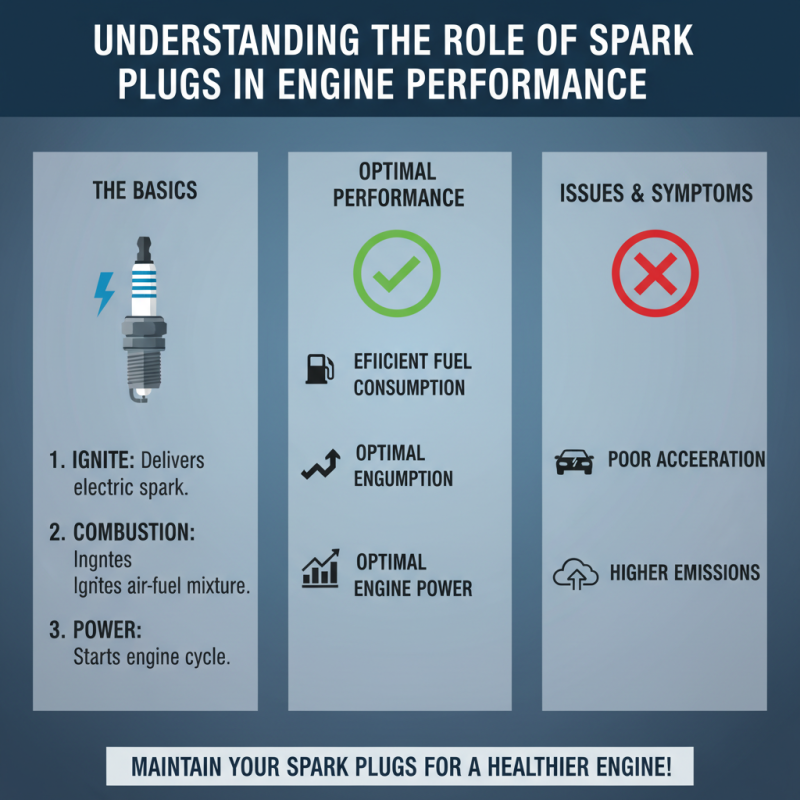
Understanding the Role of Spark Plugs in Engine Performance
Spark plugs play a crucial role in engine performance. They ignite the air-fuel mixture, delivering the spark that starts combustion. A properly functioning spark plug ensures efficient fuel consumption and optimal engine power. If your spark plugs are worn or improperly selected, this can lead to poor acceleration and higher emissions.
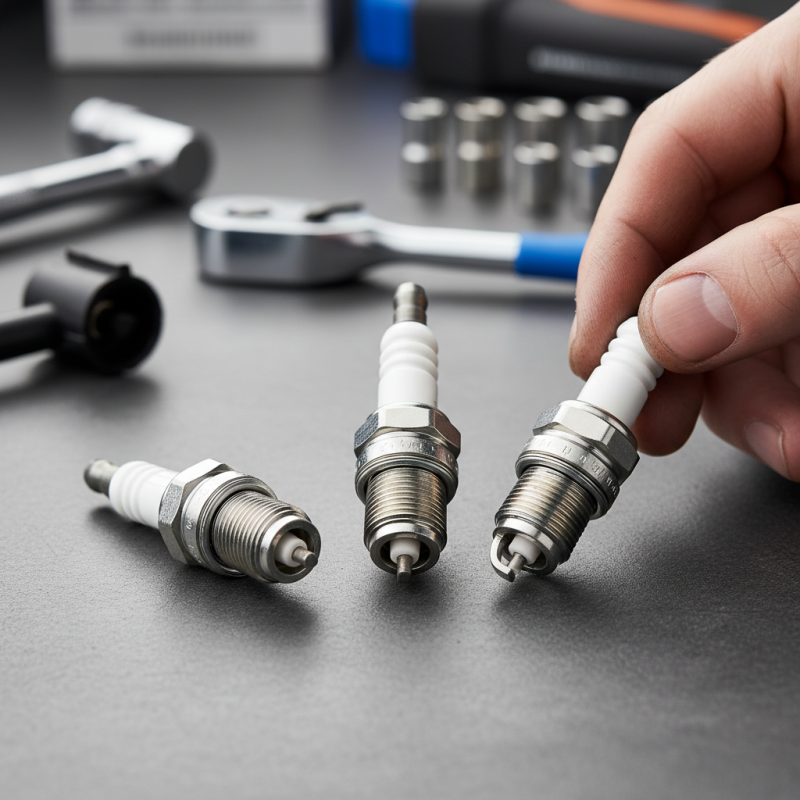
When choosing aftermarket spark plugs, consider the heat range and the gap size. An incorrect gap can cause misfires, affecting your engine's performance. It's important to check your manufacturer’s specifications and match those parameters. Look for high-quality materials, such as iridium or platinum, for better longevity and efficiency.
Tips for maintaining spark plugs: Regularly inspect them for wear and carbon buildup. Replace spark plugs at recommended intervals to avoid performance dips. Remember, spark plugs are small but mighty components. Their condition directly impacts your engine's responsiveness and fuel economy, so make informed choices.
Types of Aftermarket Spark Plugs Available on the Market
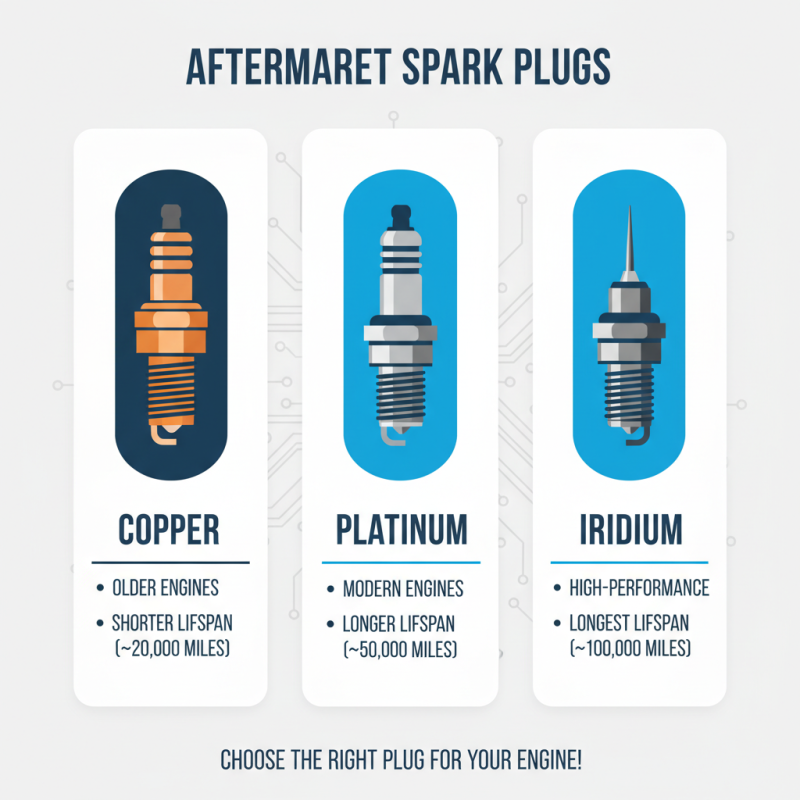
When selecting aftermarket spark plugs, understanding the types available is crucial. Common types include copper, platinum, and iridium spark plugs. Copper spark plugs are often the choice for older engines. They provide good conductivity but have a shorter lifespan compared to others. Many sources indicate that they can last around 20,000 miles under normal conditions.
Platinum Spark Plugsoffer enhanced performance and durability. They are known for their resistance to fouling and wear. The lifespan of Platinum Spark Plugs can often exceed 60,000 miles. Studies show that vehicles using platinum plugs may experience improved fuel efficiency and engine performance. However, they can be more expensive than copper alternatives.
Iridium spark plugs represent the pinnacle of aftermarket options. They provide excellent ignition and longevity, often surpassing 100,000 miles of service. However, their cost can be a concern for some users. The choice between these options should consider both budget and engine requirements. In conclusion, making an informed choice means weighing performance benefits against lifespan expectations. Remember, even the best spark plugs need proper maintenance to perform optimally.
Factors to Consider When Choosing Spark Plugs for Your Engine
Selecting the right aftermarket spark plugs for your engine requires careful consideration. The temperature range of the spark plug is crucial. Higher temperatures can ignite fuel mixtures more efficiently, but excessive heat can lead to pre-ignition. Know your engine's requirements to avoid damage.
Material is another important factor. Copper, platinum, and iridium each have unique properties. Copper offers great conductivity, but wears out quickly. Platinum and iridium last longer, making them suitable for high-performance engines. Always think about the longevity you need for Spark Plugs Changing.
Tips: Check your owner's manual for specifications. This ensures compatibility and optimum performance. Research different types of spark plugs and their benefits. Sometimes experience varies greatly between drivers. Don’t hesitate to ask for advice from automotive professionals or fellow enthusiasts.
Another consideration is the gap size. Incorrect gap can affect your engine’s performance. A properly gapped plug ensures accurate ignition timing. If you’re not comfortable adjusting the gap, seek help. Remember, improper installations can lead to future issues.
Compatibility: Matching Spark Plug Specifications with Your Engine
When selecting aftermarket spark plugs, compatibility is crucial. Your engine has specific requirements. Reports show that mismatched spark plugs can cause performance issues or even engine failure. For instance, using a hotter spark plug can lead to pre-ignition, damaging engine components.
To ensure proper compatibility, start by checking the original equipment Spark Plug Specifications. Refer to your engine manual for the correct heat range, thread size, and gap setting. According to a study, 78% of engine performance problems trace back to incorrect spark plug specifications. Always confirm these details before making a purchase.
Not every spark plug that fits will perform well. Different engines have unique combustion characteristics. High-performance engines require plugs with specific materials and designs. Improper plugs can result in reduced fuel efficiency, as reported by industry analysts. Inconsistent spark can lead to rough idling. An informed choice based on your engine's needs is essential to avoid these pitfalls.
Evaluating Heat Range and Its Impact on Engine Efficiency
When selecting aftermarket spark plugs, it's crucial to evaluate the heat range. This parameter significantly affects engine efficiency and performance. Heat range refers to the plug's ability to dissipate heat from the combustion chamber. A plug that is too hot can cause pre-ignition, while one that is too cold may lead to fouling.
According to the Society of Automotive Engineers (SAE), the optimal heat range ensures the spark plug operates within a target temperature. Research shows that a proper heat range can improve fuel efficiency by up to 5%. For high-performance engines, selecting a cooler spark plug may enhance power output. However, this can sometimes lead to instability in idling or ignition issues.
Understanding the engine's operating conditions is essential. Factors such as boost levels, fuel type, and driving style influence the required heat range. Many enthusiasts may overlook this, leading to suboptimal performance. For instance, a plug that works perfectly in one engine may not suit another, even if both are of similar specifications. Therefore, thorough testing and analysis are vital to prevent costly mistakes in spark plug selection.
Impact of Spark Plug Heat Range on Engine Efficiency
Assessing Brand Reputation and Quality of Aftermarket Spark Plugs
When choosing aftermarket spark plugs, assessing the brand reputation is vital. Reliable brands often invest in research and development. They provide detailed specifications for their products. Look for brands with a proven history in the automotive industry. Customer reviews can offer insights into their performance. Sometimes, negative feedback reveals common issues. This is a crucial aspect to consider.
Quality is equally important. Not all spark plugs are made to the same standard. High-quality sparks will often use durable materials. This can enhance engine performance over time. Pay attention to warranties offered. A solid warranty often indicates manufacturer confidence. However, not all expensive options guarantee superior quality. Balance your choice with performance and price.
Research is essential when evaluating brands. Trusted sources can provide benchmarks for comparison. Sometimes, even popular brands may have flaws. Seek out expert opinions and user experiences. Understand the specific needs for your engine. Every vehicle requires unique specifications. Choosing wisely can significantly impact long-term performance and reliability.
Installation Tips for Aftermarket Spark Plugs to Ensure Optimal Performance
Installing aftermarket spark plugs can enhance engine performance, but it requires careful attention. Begin by ensuring the gap size matches the engine specifications. Incorrect gaps can lead to misfires and poor fuel efficiency. Always check the specifications in your vehicle’s manual, as this ensures the right fit for optimal combustion.
Once you have the appropriate spark plugs, clean the spark plug holes. Debris can cause cross-threading, which may damage the engine. Use a small brush or compressed air to remove any contaminants. Remember, over-tightening can strip threads, leading to costly repairs. A torque wrench is useful here; it prevents over-tightening and promotes a secure fit.
After installation, monitor engine performance closely. Look for signs like rough idle or decreased power. These issues may indicate improper installation or that aftermarket plugs do not match your engine's needs. Original Spark Plugs, designed specifically for your engine, may outperform aftermarket options. Fine-tuning is key; so don't hesitate to make adjustments if you encounter performance issues. Each engine may respond differently, so trial and observation play vital roles in achieving the best results.
Enhancing Engine Performance: Insights from the Latest Market Reports on TIWS9745 for Bosch M14 Spark Plugs
Enhancing engine performance is a priority for many automotive enthusiasts and professionals, particularly when it comes to optimal ignition systems. Recent market reports focused on TIWS9745 reveal key insights that can improve the efficiency of gas engines, including those used in heavy-duty trucks. A vital component of this system is the spark plug, which plays a critical role in igniting the air-fuel mixture, thus determining engine responsiveness and power output.
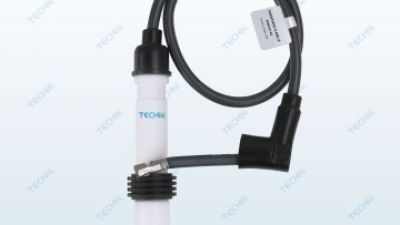
For vehicles like the KAMAZ 820, which are equipped with Bosch M14 spark plugs, choosing the right ignition cable can significantly enhance engine performance. The TECHIE premium Ignition Cable stands out as a compatible choice, specifically designed to work effectively with these spark plugs. Quality ignition cables ensure a consistent electrical connection, minimizing misfires and maximizing combustion efficiency. This results in smoother engine operation, improved fuel economy, and increased power delivery, making the driving experience more satisfying.
Investing in high-performance ignition components like premium ignition cables not only helps in maintaining engine health but also contributes to achieving optimal vehicle performance. As the automotive market evolves, leveraging advancements in ignition technology such as those found in TIWS9745 can pave the way for significant improvements in vehicle efficiency and reliability.
FAQS
: Common types include copper, platinum, and iridium spark plugs. Each type has different benefits and drawbacks.
Copper spark plugs typically last around 20,000 miles. They are suitable for older engines but wear out quickly.
Platinum spark plugs have enhanced performance and durability. They resist fouling and often exceed 60,000 miles in lifespan.
Iridium spark plugs offer excellent ignition and can last over 100,000 miles. However, they are more expensive than other options.
Compatibility ensures your engine runs efficiently. Mismatched spark plugs can lead to performance issues or engine damage.
Refer to your engine manual for details on heat range, thread size, and gap setting. This will help in making the right choice.
Ensure the gap matches specifications and clean the holes. Use a torque wrench to avoid over-tightening and damaging threads.
Look for rough idling or decreased power. These may suggest either incorrect installation or plugs not matching your engine.
Yes, original spark plugs are designed for your engine and may deliver better performance than aftermarket alternatives.
Monitor engine performance closely and make adjustments if performance issues arise. Each engine responds differently, so stay observant.
Conclusion
Aftermarket spark plugs play a crucial role in enhancing engine performance. They are designed to replace OEM spark plugs and can offer various benefits, such as improved efficiency and power. When selecting aftermarket spark plugs, it is essential to understand the different types available and consider factors like compatibility with your engine's specifications, heat range, and overall brand reputation. Matching the spark plug's attributes with your engine’s requirements ensures optimal performance and longevity.
Additionally, evaluating the heat range is vital, as it impacts engine efficiency and prevents issues like pre-ignition or fouling. To achieve the best results, proper installation of aftermarket spark plugs is important. Following installation tips can help maintain engine performance and reliability, making your choice of spark plugs an essential aspect of vehicle maintenance.